

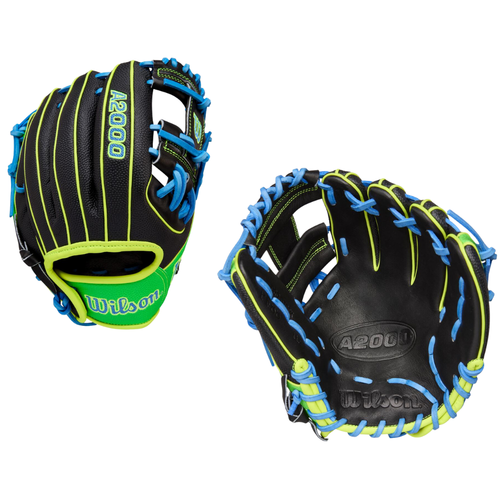
A baseball glove isn’t just an accessory; it’s an extension of your arm, your primary tool for making plays, and one of the most personal pieces of equipment you’ll ever own. The right glove can turn a tough play into an easy out and give you the confidence to make the spectacular. The wrong one can feel clumsy, cost you errors, and frustrate you all season long.
But with countless brands, web patterns, and sizes, how do you find “the one”? It’s simpler than you think. The secret lies in matching your glove to your position.
At eBasesLoaded.us, we’re players and coaches, and we’ve broken down exactly what you need to look for, position by position.
First Base: The Scoop Specialist
The Goal: To catch wide throws, dig balls out of the dirt, and provide a large, forgiving target for your infielders.
Key Features:
- Web Style: Closed Web or Trap-style web. This creates a deep pocket and a solid surface for scooping and blocking, preventing the ball from popping through.
- Pattern Size: Large, typically 12.5 to 13 inches. The extra length gives you maximum reach for those off-target throws.
- Padding: Significant padding along the thumb and palm to absorb the impact of hard-thrown balls.
What to Look For: Look for a first base mitt with a deep pocket and a sturdy heel. A break-in that creates a wide “scooping” channel is ideal.
Our Pro Tip: Don’t be afraid of a slightly larger mitt if you have smaller hands. The added reach is often more valuable than a snugger feel at first base.
Second Base: The Quick-Transfer Artist
The Goal: To field ground balls cleanly and transfer the ball to your throwing hand as quickly as possible for the double play.
Key Features:
- Web Style: Open web (like an H-web or Trapeze web). This allows you to see the ball as you’re catching it, which is crucial for finding it quickly during the transfer.
- Pattern Size: Small to Medium, typically 11 to 11.75 inches. A smaller glove is lighter and less bulky, allowing for faster movements and a quicker release.
- Pocket: A shallower pocket is preferred to make the ball easier to find and grab.
What to Look For: A lightweight glove that feels like a second skin. You want minimal break-in time so you can get on the field and turn two immediately.
Our Pro Tip: Focus on a glove that feels flexible in the fingers and wrist. Stiffness is your enemy when you need to get the ball out of the glove in a split second.
Shortstop: The Five-Tool Defender
The Goal: To handle everything from slow rollers to line drives in the hole, combining the range of an outfielder with the quick hands of a second baseman.
Key Features:
- Web Style: Closed or Modified Trapeze web. This provides a good balance of ball security (to prevent it from popping out on hard shots) and visibility.
- Pattern Size: Medium, typically 11.25 to 11.75 inches. It’s the perfect middle-ground size—long enough for range but small enough for quick transfers.
- Depth: A moderately deep pocket is ideal to secure the ball on hard-hit balls while still being manageable for quick throws.
What to Look For: Durability and versatility. You need a glove that can handle a high volume of ground balls without breaking down.
Our Pro Tip: A good shortstop glove is often the most versatile glove on the field. If you play multiple infield positions, a glove in this size range can be your best all-around option.
Third Base: The Hot Corner Guardian
The Goal: To react to lightning-fast line drives and rockets hit down the line. Protection and stopping power are paramount.
Key Features:
- Web Style: Closed web (like an I-web or Solid web). This provides a solid surface to stop the ball and prevent it from getting through on hard-hit shots.
- Pattern Size: Large, typically 11.75 to 12.5 inches. The extra size gives you more range and a larger target to stop screaming liners.
- Padding: Extra padding is a must. A “hot corner” glove needs to protect your hand from the sting of 90+ mph line drives.
What to Look For: A sturdy, well-padded glove with a deep pocket. You want to feel confident that your hand is protected and that the ball will stick when you knock it down.
Our Pro Tip: Don’t sacrifice protection for feel. A third baseman’s job is to stop the ball first, make the play second. A glove with a solid feel and good padding is your best friend.
Outfield: The Fly Ball Magnet
The Goal: To cover vast amounts of ground and make routine and spectacular catches on balls hit in the air.
Key Features:
- Web Style: Open web (like a Trapeze or H-web). This provides maximum visibility to track the ball against the sky and allows you to close the web quickly to secure the catch.
- Pattern Size: Largest, typically 12.75 to 13.5 inches. The length is your greatest asset for reaching balls that would otherwise be out of play.
- Pocket: A deep, secure pocket is essential for cradling the ball and preventing it from popping out after a long run.
What to Look For: A glove with a long reach and a soft feel. You want it to close easily around the ball, even when you’re catching it on the run.
Our Pro Tip: Center fielders often prefer a slightly larger glove for maximum range, while corner outfielders might opt for a slightly smaller one for quicker throws to the bases.
Catcher: The General Behind the Plate
The Goal: To receive every pitch, block balls in the dirt, and make quick throws to bases. A catcher’s mitt is a unique category of its own.
Key Features:
- Web Style: Closed web, integrated into a solid, claw-like design.
- Pattern Size: Large and Round, typically 32 to 34.5 inches (measured in circumference). It’s a mitt, not a glove, designed for one-handed use.
- Padding: Maximum padding everywhere—palm, thumb, fingers. It’s built for impact absorption.
What to Look For: A mitt that breaks in to form a deep pocket that can “stick” pitches. It should feel like a piece of armor you can trust.
Our Pro Tip: Break-in time is critical for a catcher’s mitt. Be patient and use plenty of conditioner to form the pocket exactly how you want it. A well-broken-in mitt is a catcher’s most valuable asset.
Pitcher: The Fielding General
The Goal: To field your position, cover first base on bunts, and hide your grip from the batter.
Key Features:
- Web Style: Closed web (like an I-web, Two-Piece Closed, or Basket web). This is essential for concealing your grip and the ball as you set up for the pitch.
- Pattern Size: Medium, typically 11.5 to 12.5 inches. It needs to be large enough to field your position but not so large that it gets in the way of your delivery.
- Feel: A relatively quick, easy break-in is preferred so you can get the ball out of the glove quickly for fielding bunts and comebackers.
What to Look For: A glove with a solid, closed web that feels comfortable and doesn’t interfere with your windup.
Our Pro Tip: Many pitchers prefer a lighter glove to minimize fatigue over the course of a long game.
Beyond the Position: Final Considerations
- Infield vs. Outfield: This is the first question to ask yourself. Do you need the quickness of a small infield glove or the reach of a large outfield glove?
- Left-Handed Throwers: Don’t forget your southpaws! The selection is smaller, but all major brands make excellent gloves for left-handed players.
- Leather Type: Full-grain leather offers the most durability and a long break-in. Steerhide or kip leather is lighter and breaks in faster. Synthetic materials are budget-friendly and game-ready but less durable.
Finding the perfect glove is a journey. Use this guide as your starting point, but nothing beats trying a few on to see what feels right.
Ready to find your perfect fit? Browse our massive, position-specific selection of baseball gloves from top brands like Rawlings, Wilson, and Nokona at eBasesLoaded.us. Our expert team is always here to help you make the right choice.

Leave a Reply